AI Automotive Marketplace
Type
AI Automotive Marketplace
Scope
End-to-End Product Design
With this project, I explored how an AI-assisted automotive marketplace could make vehicle discovery, advanced filtering, and conversational search feel clearer and more natural across web and mobile.
ROLE
Product Designer
Marko Brankovic
Web & Mobile UI Design
Marko Brankovic
UX / Workflow Design
Marko Brankovic
AI Experience Design
Marko Brankovic
Search & Filter Design
Marko Brankovic
Marketplace Logic
Marko Brankovic
OVERVIEW.
CHALLENGE.
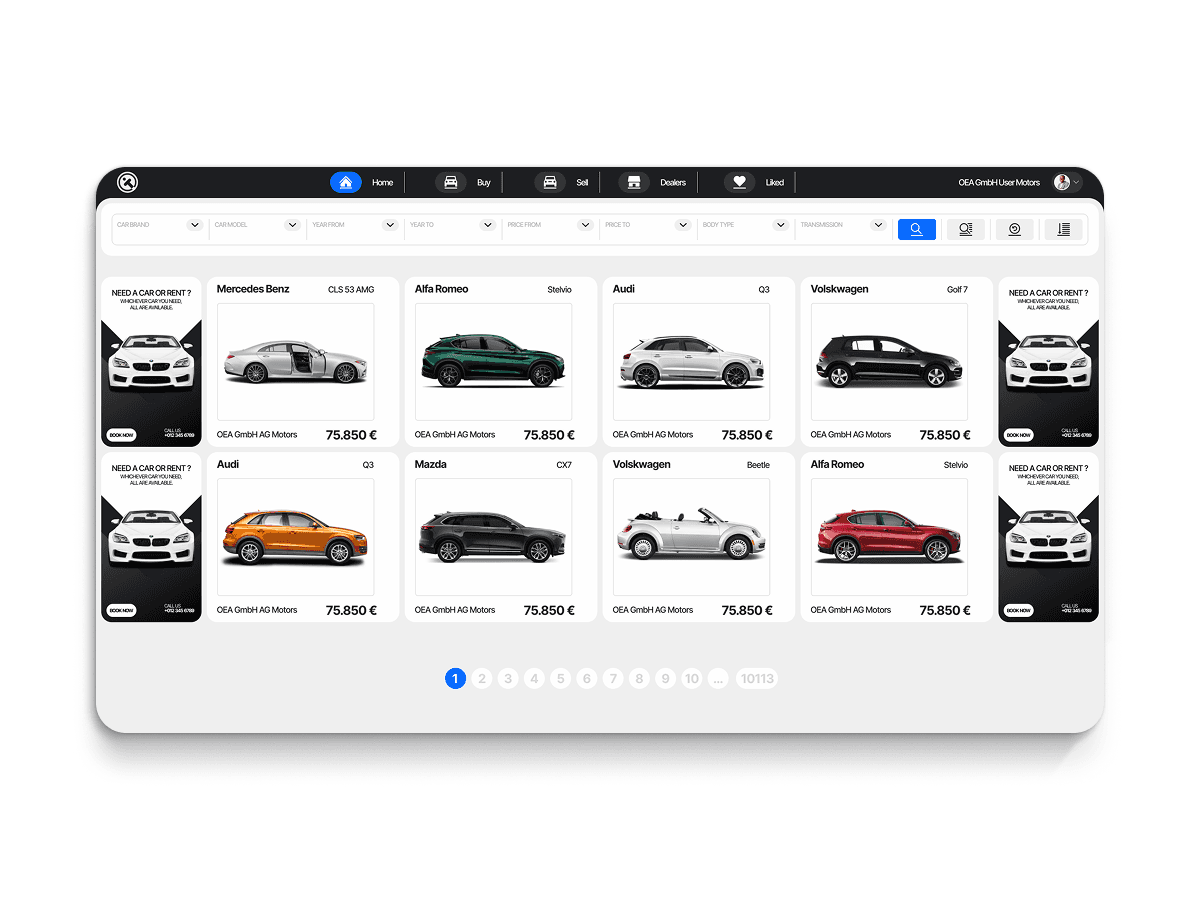
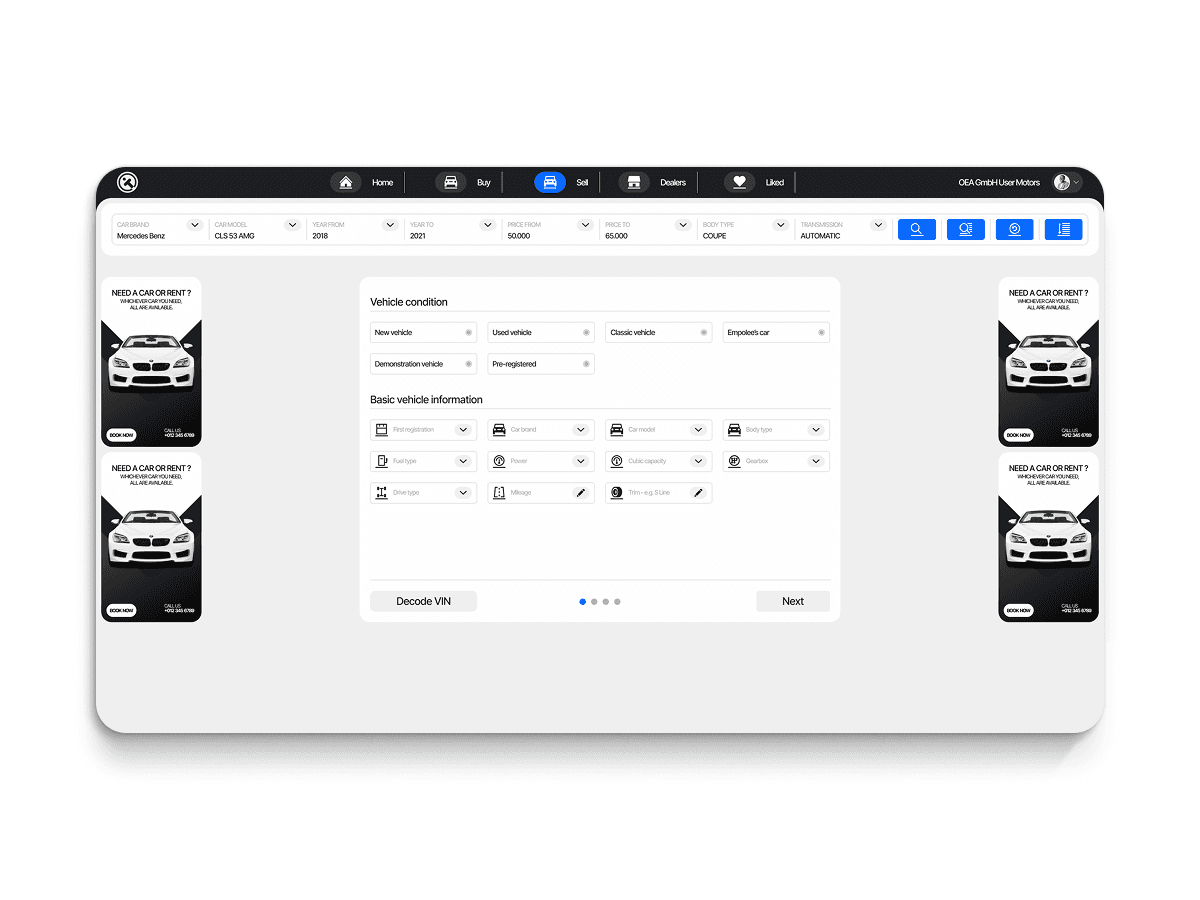
What I wanted to solve here was how vehicle search could become more intuitive without losing the depth and structure that serious browsing requires. Traditional marketplace flows already rely on filters, categories, and listing logic, but I saw room to rethink how users describe what they actually want. The challenge was designing a system that could combine conventional search patterns with AI-assisted input, while still handling a large amount of information in a way that felt fast, understandable, and useful on both desktop and mobile.
APPROACH.
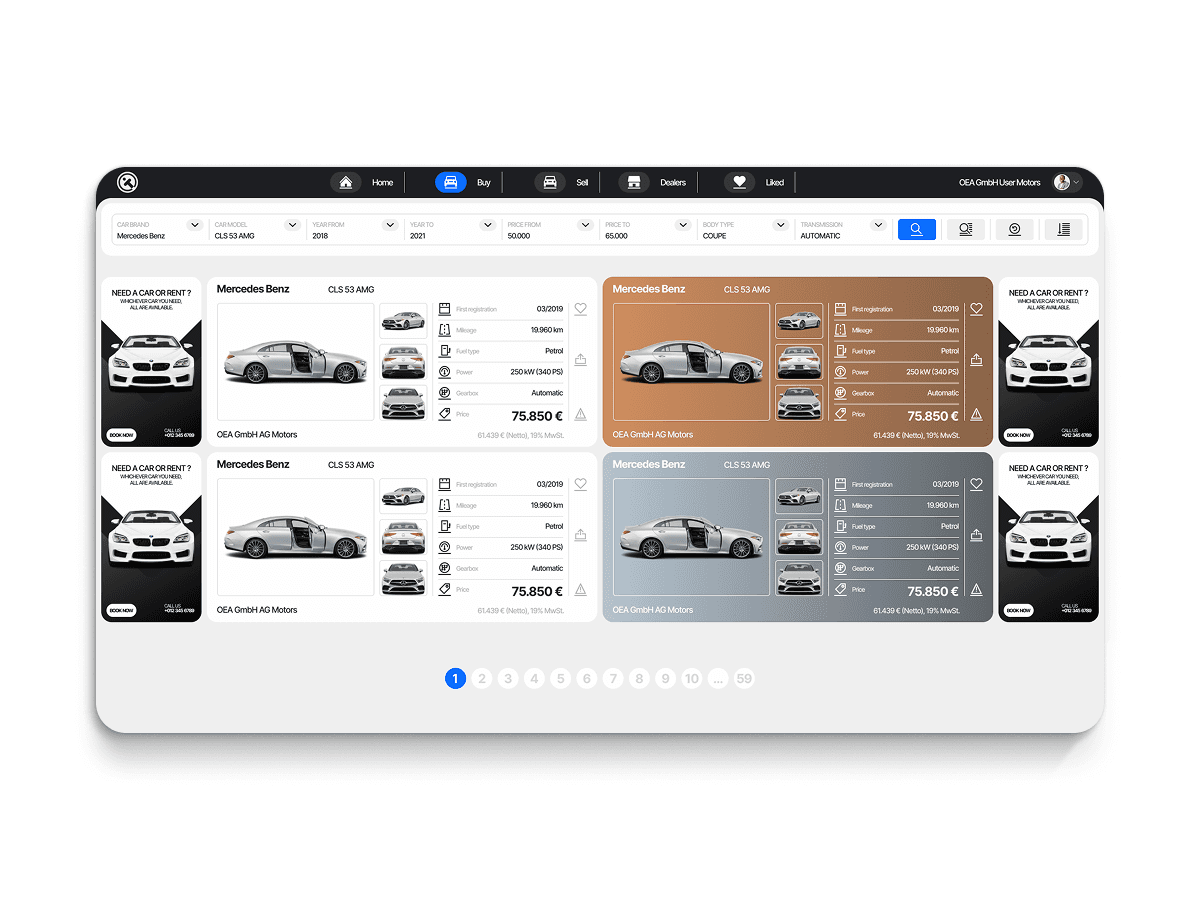
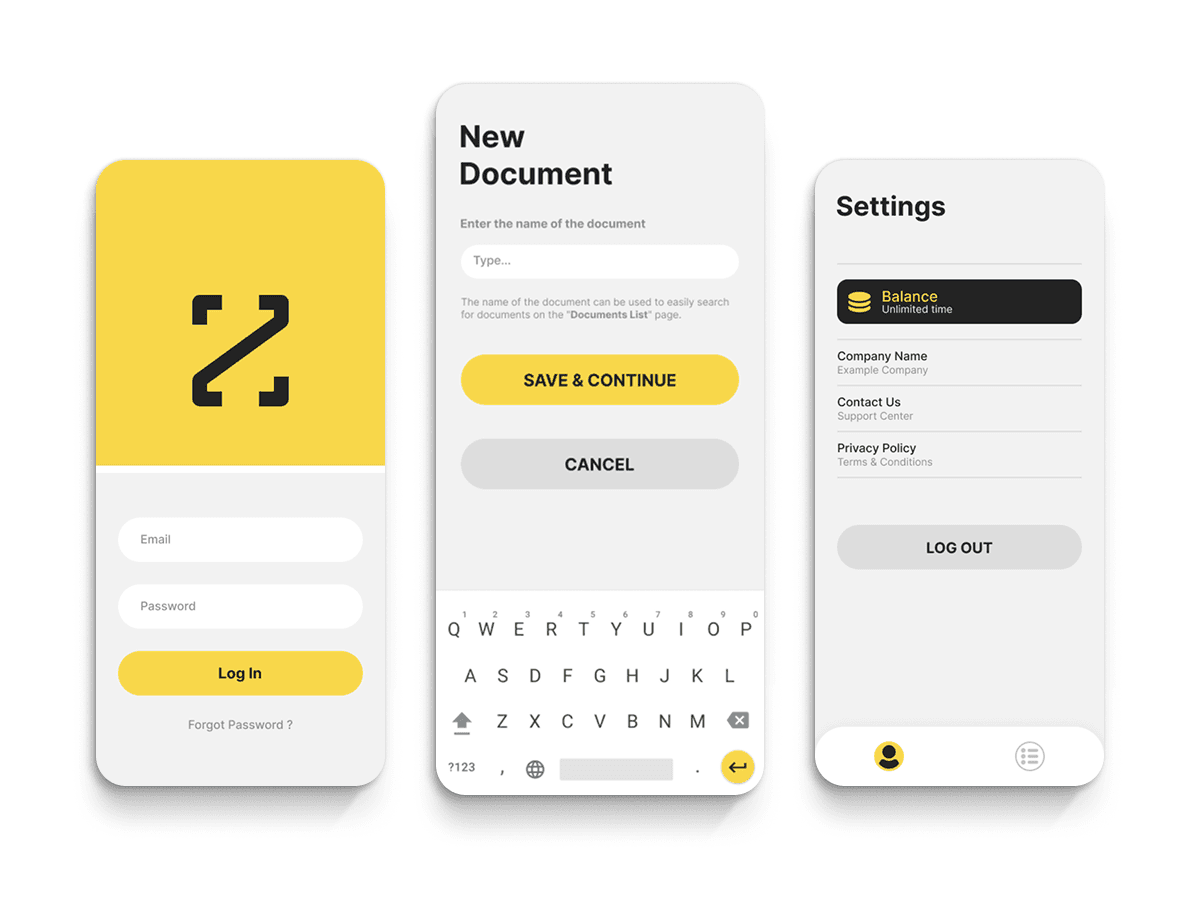
I designed the full UI and UX across both the web platform and the mobile app. That included defining the search structure, filter behavior, listing layouts, featured ad tiers, and the broader logic of the browsing experience. A major part of my role was also figuring out how the AI assistant should behave from the user’s perspective: how natural-language requests should translate into usable search parameters, how much guidance the interface should provide, and how the experience could stay practical rather than feeling gimmicky. Through testing and iteration with a developer, I helped shape that balance between conversational input and structured search.
OUTCOME.
The result was a much stronger foundation for a modern automotive marketplace—one that could support both traditional browsing and more intent-based discovery. Rather than treating AI as a separate feature, I worked toward a more integrated search experience where conversational input, filtering, and listing exploration felt like parts of the same system. That created a clearer, more flexible product direction across both platforms, with a UX foundation designed to scale as the marketplace evolved.